Welcome to JIECHENG



Leave Your Message
Welcome to JIECHENG
You know, in the constantly changing worlds of construction and manufacturing, there's a real buzz around reliable heat-resistant materials these days. I came across a recent report by Grand View Research, and it says that the global market for Thermal Insulation is expected to hit around $63.1 billion by 2027. No wonder everyone's talking aboutHeat Resistant Insulation Tape — it’s pretty much a must-have for projects needing toughness under crazy high temps, like in cars or even airplanes.
Big names like 3M and Tesa are really pushing the envelope here, coming out with innovative tapes that can handle over 500°F without breaking a sweat. But, honestly, not all tapes are equally awesome—some might fade after a while or just refuse to stick properly, especially over time. That’s why it’s super important to check out reviews and performance specs before making a call.
And let’s not forget, staying on top of standards and certifications is key. For example, UL certification is a good sign that a product is safe and reliable. Still, I’ve noticed a lot of folks don’t always fully understand what each tape is best suited for, which can lead to some pretty subpar choices. All in all, investing in top-quality heat-resistant tape can actually save you money in the long run—just make sure to do your homework and compare your options carefully.
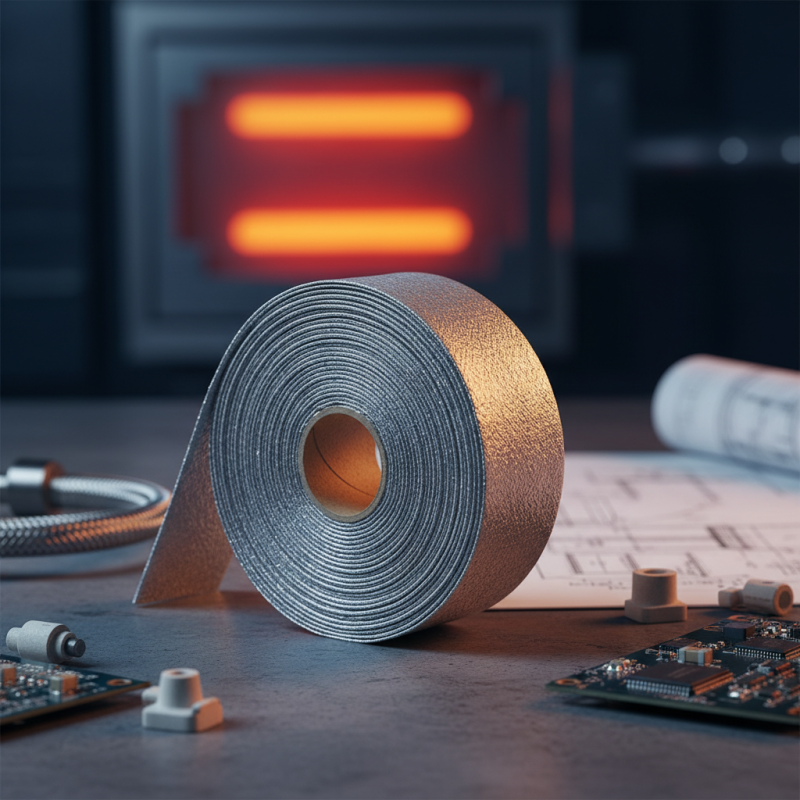
Heat Resistant Insulation tapes play a crucial role in various industries. Different types cater to diverse applications. One popular option is silicone tape. It can withstand extreme temperatures, generally ranging from -60°C to 260°C. This versatility allows it to serve in both residential and industrial settings.
Another effective type is PTFE (Teflon) tape. Its non-stick surface makes it ideal for electrical insulation. Industry reports indicate that PTFE tape performs well in temperatures up to 260°C. Users often gravitate towards this type for applications requiring a high level of chemical resistance.
Tips: When selecting tape, consider the temperature range specific to your application. For high-voltage environments, opt for tapes that meet stringent electrical standards. Always do a test on a small area to ensure compatibility. Not all tapes perform well under stress. Reviewing technical datasheets can provide insight into performance and durability.
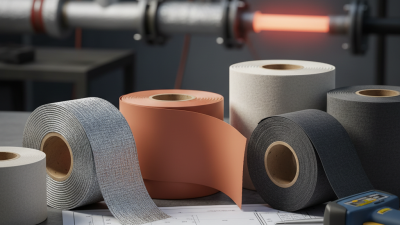
When considering heat resistant insulation tapes, the materials used are crucial. Commonly, these tapes are made from fiberglass, silicone, and polyester. Heat Resistant Fiberglass Tape stands out for its ability to withstand extreme temperatures. Fiberglass inherently resists high heat while maintaining structural integrity. This makes it a versatile choice for various applications, including industrial and automotive uses.
One critical factor to consider is adhesive type. Some tapes use silicone adhesives, which maintain their stickiness in high temperatures. Others may use rubber or acrylic, which may not perform as well under stress. Pay attention to the intended application when selecting a tape. Not all heat resistant options are created equal, and that could lead to failures in high-temperature settings.
Tips: Always check the temperature rating of insulation tape before purchase. This ensures it meets your requirements. Additionally, consider performing a small test in your intended environment. This can save time and resources. Using a tape that doesn’t meet specifications can lead to costly repairs. Ultimately, choosing the right heat resistant insulation tape can make a significant difference in your project's success.
When considering heat resistant insulation tape, it’s crucial to understand the leading manufacturers around the globe. These companies specialize in producing high-quality materials that withstand extreme temperatures. Their expertise lies in the careful selection of raw materials and innovative manufacturing techniques. This ensures durability under harsh conditions.
Quality tapes can be essential for various applications, from automotive to aerospace. Some manufacturers focus on specialized products tailored to specific industries. This often involves thorough testing and compliance with international standards. However, not every company offers the same level of reliability. Buyers must conduct their own research to identify trustworthy sources.
Understanding the needs of different applications is vital. Some tapes may excel in thermal resistance but lack adhesion strength. Others might show excellent stickiness yet fail in extreme heat. This paradox indicates that buyers should evaluate multiple factors before making a choice. Engaging with engineers and technicians can provide practical insights, ensuring that the selected tape meets necessary specifications.
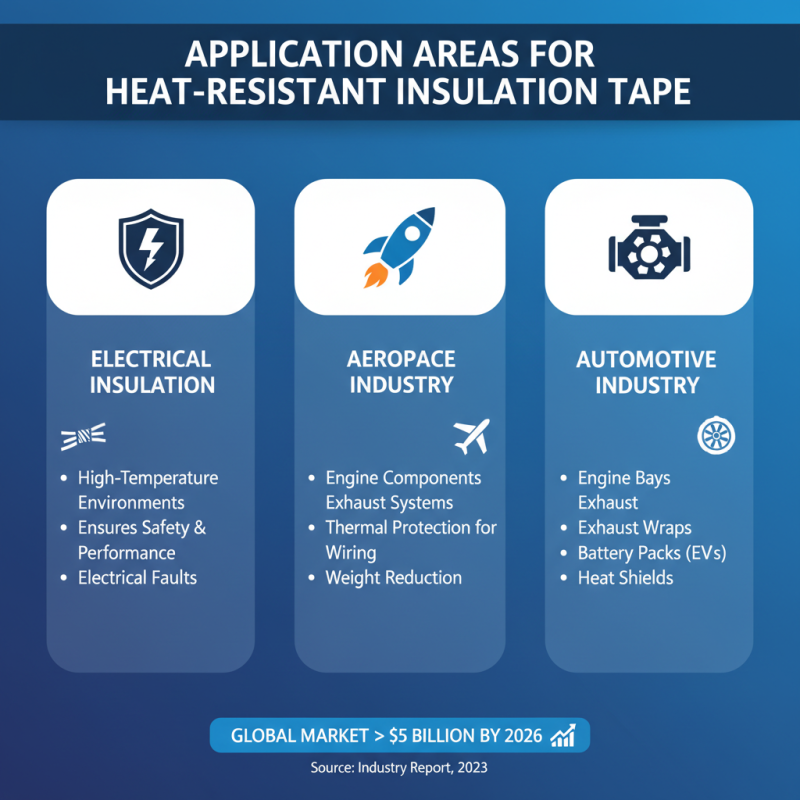
Heat resistant insulation tape plays a crucial role in various industrial applications. One notable area is electrical insulation, where high-temperature environments require reliable tape. The insulation ensures safety and performance, particularly in aerospace and automotive industries. According to a recent industry report, the global market for heat resistant Insulation Materials is projected to grow significantly, reaching over $5 billion by 2026.
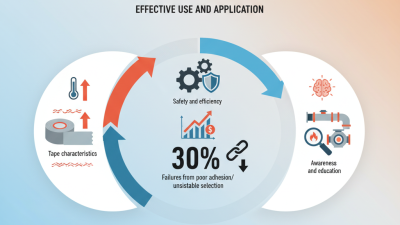
Another key application is in manufacturing, particularly in machinery and equipment. Fiberglass Heat Resistant Tape is often utilized to protect sensitive components from excessive heat exposure. This tape maintains its integrity under extreme conditions, enhancing the durability of the machinery. Research indicates that well-chosen insulation materials can reduce energy costs by up to 30%, showcasing their financial and environmental benefits.
Despite these advantages, challenges exist in selecting the right tape. Variability in temperature ratings and adhesive properties can complicate choices. Additionally, improper application can lead to insulation failure, posing risks in critical environments. Each application may demand a different type or thickness of tape, emphasizing the need for careful consideration in material selection.
When selecting heat resistant insulation tape, several factors come into play. The temperature range is crucial. Different tapes withstand various heat levels. It is essential to know the specific temperatures your project demands. Overlooking this can lead to tape failure.
Another factor to consider is the material composition. Some tapes are made from silicone, while others use fiberglass or polyester. Each material has unique characteristics. Understanding these properties aids in making a suitable choice. It's also wise to think about adhesion strength. A strong bond ensures durability, but too much can make removal difficult.
The application method matters as well. Whether the tape will be used on a flat surface or irregular shapes can influence your choice. Additionally, consider the environment where it will be applied. Factors like moisture and chemicals may affect performance. Regular testing and review after application can reveal spots for improvement.
| Property | Description | Temperature Resistance (°C) | Material | Application Area |
|---|---|---|---|---|
| Adhesive Strength | High bond strength suitable for electrical insulation | 250 | Silicone | Electrical components, auto parts |
| Thermal Conductivity | Low thermal conductivity for Excellent Insulation | 200 | PTFE | Industrial machines, aerospace |
| Chemical Resistance | Resistant to oils, solvents, and certain chemicals | 230 | Glass Fiber | Automotive, HVAC systems |
| Flexibility | High flexibility for ease of application on curved surfaces | 180 | Polyimide | Electronics, flexible circuits |
| Durability | Long-lasting performance under extreme conditions | 300 | Nomex | Railway, high-performance engines |
When choosing heat resistant insulation tape, various factors come into play. Effective insulation properties can greatly vary between brands. It's essential to consider the tape's maximum temperature resistance. Some tapes perform well under high heat, while others lose adhesion quickly. Users often overlook this aspect, leading to inadequate insulation and costly repairs.
Testing the tape before full application is a smart move. Cut small pieces and apply them to surfaces you'll use. Observe how they hold up against heat. This practical approach can prevent future issues. Also, check the adhesive properties. Some tapes may struggle to stick under extreme conditions.
When seeking the best Heat Tape And Insulation, consulting user reviews offers valuable insights. Many users share their hands-on experiences, highlighting what worked and what didn't. Aim to read a variety of reviews. This creates a clearer picture of the tape’s reliability and durability. Remember, familiarity with different tapes can make a significant difference in your final decision.
When considering heat-resistant insulation tapes, customer feedback often highlights several key factors. Users frequently emphasize the importance of adhesive strength. Many reviews mention that certain tapes can peel off under extreme conditions. This inconsistency can lead to frustration, especially in high-temperature environments.
Durability is another common concern. Buyers report varied experiences, with some tapes failing after limited use. In contrast, others praise products that withstand prolonged exposure to heat. This difference in performance raises questions about quality control among manufacturers. Customers often wish for more transparency regarding materials used in these High Heat Insulation Tapes.
Moreover, ease of application is frequently discussed. Users appreciate tapes that can be cut easily and apply smoothly. However, some find that low-quality products cause hassle during installation. This feedback indicates a need for improvement in design and usability. For many buyers, these factors are crucial in determining their satisfaction with heat-resistant insulation tapes.
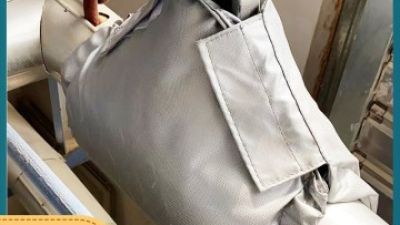
Industrial facilities face persistent challenges related to temperature regulation and material degradation caused by corrosion. The recent data on anti-corrosion removable Insulation Jackets offers valuable insights into maximizing both efficiency and longevity in such environments. These jackets operate effectively within an impressive temperature range of -70°C to 1000°C, ensuring that critical systems remain protected from extreme thermal fluctuations.
The thermal conductivity of these insulation jackets is exceptionally low, measured at less than 0.035 W/(m·k) at normal temperatures, which significantly enhances energy efficiency by minimizing heat transfer. Constructed with a material density of 100-200 kg/m3 and a thickness of 35-50 mm, these jackets provide robust thermal insulation. Additionally, their A-grade flame retardant properties ensure that safety remains paramount in industrial settings.
Moreover, the anti-corrosion features of these removable jackets cannot be overstated. They exhibit remarkable resistance to acids, alkalis, water, and oil, making them suitable for various harsh operating conditions. With a lifespan exceeding 10 years, these insulation solutions not only protect investments in infrastructure but also contribute to sustainable facility operations by reducing maintenance and replacement costs.
: It is used in various applications, including automotive and aerospace, to withstand extreme temperatures.
Evaluate maximum temperature resistance, adhesive properties, and application needs before making a choice.
No, some tapes may lose adhesion quickly under high temperatures, leading to inadequate insulation.
Yes, test small pieces on surfaces to see how they perform under heat for better results.
Absolutely, reading diverse user reviews provides insights into the tape’s reliability and performance.
Some tapes may excel in thermal resistance but lack adhesion strength, affecting overall effectiveness.
Users often overlook adhesive strength, which can lead to costly repairs.
Engage with engineers or technicians for practical guidance tailored to specific needs.
No, the reliability varies. Conduct research to identify trustworthy sources before purchasing.
Look at insulation properties, temperature limits, and how well they stick under heat extremes.
Heat Resistant Insulation Tape is an essential component in various industries, providing reliable insulation properties at elevated temperatures. This article explores the different types of heat-resistant insulation tapes available globally, highlighting key materials such as silicone and fiberglass that contribute to their effectiveness. It also examines the major manufacturers in the market, offering insights into their production capabilities and innovations.
Furthermore, the article discusses the diverse application areas for Heat Resistant Insulation Tape, including automotive, aerospace, and electronics. When selecting the right tape, crucial factors to consider include temperature resistance, adhesive strength, and environmental conditions. A comparative analysis of popular brands, alongside customer reviews and feedback, provides additional guidance for buyers seeking to make informed choices in this competitive market.