Welcome to JIECHENG



Leave Your Message
Welcome to JIECHENG
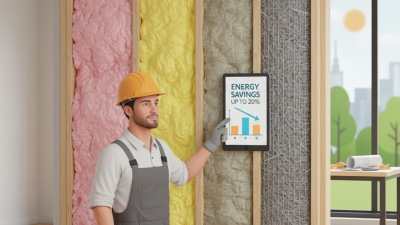
You know, in today's world of industry and all that, picking the right Flexible Insulation blankets really makes a difference—both when it comes to saving energy and cutting costs. I read somewhere that, according to the Department of Energy, if you choose the proper insulation, you can actually slash your energy bills by up to 30%. That kinda puts things into perspective, doesn’t it? Whether it’s for your home or a big commercial project, going for high-quality insulation is just smart.
Jack Thompson, an expert in Insulation Technology, puts it simply: "Choosing the right flexible insulation blankets isn’t just about saving energy—it also makes your space way more comfortable." His advice really hits home for project managers and builders, highlighting how these materials can do so much more than just insulate.
Now, here’s the thing—there are tons of options out there, and honestly, it can get pretty overwhelming. A lot of people end up confused because of all the misinformation floating around about different types of insulation. If you spend a little time understanding the specs and performance ratings, making the right choice becomes a whole lot easier. In the end, making smart decisions about flexible insulation blankets isn’t just about saving money; it’s also about being more sustainable and creating better indoor environments."

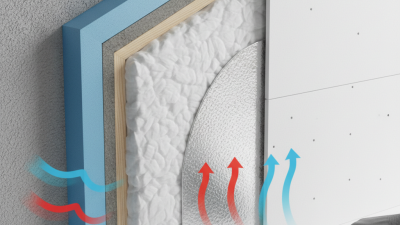
Flexible insulation blanketsoffer numerous advantages for various applications. They provide effective Thermal Insulation, whichreduces energy costs significantly. According to the Department of Energy, proper insulation can lower heating and cooling bills by up to 20%. These blankets are lightweight and easy to install, making them ideal for many industrial and residential uses.
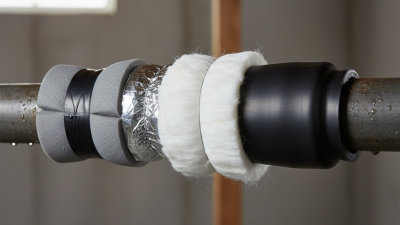
Choosing the right flexible insulation blankets depends on specific needs. For example, if you’re using Pipe Insulation Blankets, consider the temperature tolerance required for your application. They are often made from materials that resist moisture and pollutants, ensuring better air quality and durability. Additionally, the performance of insulation can be compromised if the blanket is improperly installed or if moisture accumulates.
Tips: Always verify the R-value. This measures insulation effectiveness. A higher R-value indicates better insulation. Always check for certifications. Look for reliable standards that ensure safety and performance. Evaluate your installation environment. Factors such as moisture levels and temperature ranges can impact insulation efficiency. Consider all alternatives to find the best solution for your needs.
When selecting flexible insulation blankets, understanding your specific insulation needs is crucial. Different applications require varying types of insulation. According to the U.S. Department of Energy, effective insulation can reduce energy costs by up to 30%. For industrial applications, the thermal properties of Insulation Materials are paramount.Valve Insulation Blankets are often essential in maintaining optimal temperatures for piping and valves in processing plants.
Evaluating factors like temperature range, moisture exposure, and location is important. A report from the National Insulation Association highlights how improper insulation can lead to efficiency losses of over 20%. In areas with frequent temperature fluctuations, the durability and thermal resistance of your chosen blanket matter. It’s not just about fit; long-term performance and maintenance are key.
Manufacturers often provide guidelines on choosing materials suited to specific environments. However, many users overlook the significance of proper installation. Misaligned blankets may result in increased heat loss, undermining their benefits. Reflecting on these details ensures that proper insulation contributes to energy savings and system efficiency.
| Application | Temperature Range (°F) | Material Type | R-Value | Moisture Resistance |
|---|---|---|---|---|
| HVAC Duct Insulation | -20 to 250 | Fiberglass | 3.2 - 4.1 | Yes |
| Industrial Pipe Insulation | -40 to 1000 | Mineral Wool | 3.0 - 4.4 | No |
| Cryogenic Applications | -325 to -200 | Aerogel | 10.0+ | Yes |
| Marine Applications | 0 to 300 | PVC Coated Fiberglass | 2.0 - 3.5 | Yes |
| Building Insulation | -40 to 120 | Cellulose | 3.2 - 3.8 | Yes |
Flexible insulation blankets are essential for energy efficiency and comfort. Understanding the materials used can help you make the right choice. Common materials include fiberglass, polyurethane, and mineral wool. Each offers unique properties for thermal performance.
Fiberglass is lightweight and cost-effective. It is commonly used in residential applications. However, it can be irritating to touch, which is a drawback. Polyurethane, on the other hand, provides excellent insulation value. Its closed-cell structure makes it more durable and moisture-resistant. Yet, its higher cost may be a barrier for some buyers.
Mineral wool is another option. It is fire-resistant and doesn’t promote mold growth. But it is heavier and can be harder to install. Evaluating these materials based on your specific needs is crucial. Do you prioritize cost, durability, or fire resistance? Each option has pros and cons, and your choice will impact your home's energy efficiency. Consider the overall performance of the Thermal Insulation Blankets as part of your decision-making process.
When selecting insulation options, thermal performance is key. R-values quantify thermal resistance. A higher R-value means better insulation. Studies show that insulation with an R-value of 30 can reduce energy costs by 30% compared to lower-rated options. This information highlights the importance of choosing products wisely.
Flexibility is another important aspect. Removable Insulation Blankets offer adaptability. They can be used in various applications, making them ideal for fluctuating environments. Many industry reports suggest that these blankets can increase efficiency in both residential and industrial settings. However, it is crucial to evaluate their effectiveness based on specific needs.
Not every insulation type meets every requirement. Some materials may not perform well in extreme temperatures. Inadequate installation also impacts overall effectiveness. Understanding how R-values align with your specific thermal performance needs can be challenging. Investing time in research will pay off in the long run.
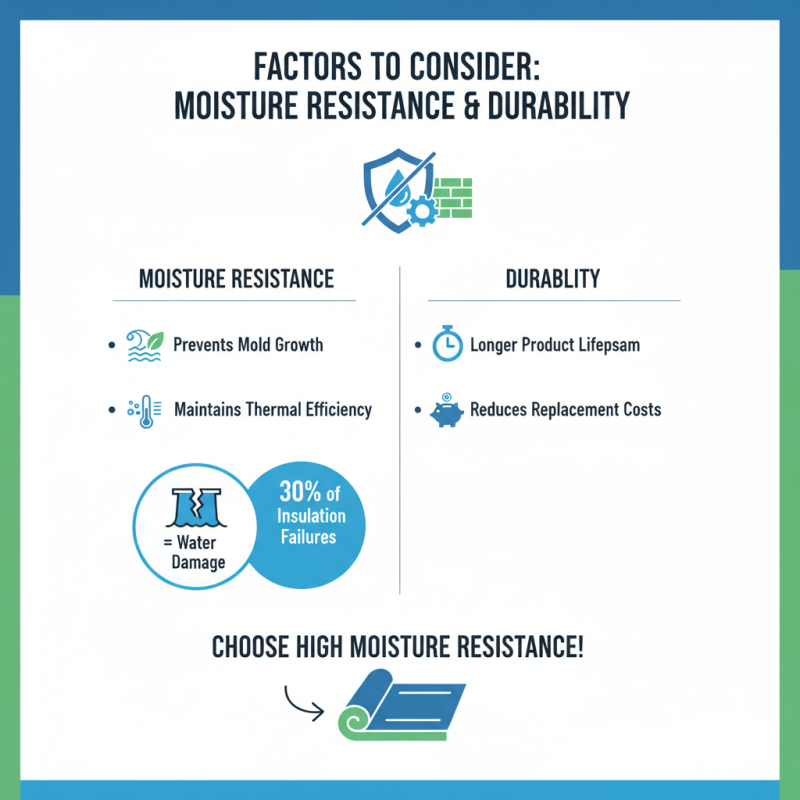
Selecting flexible insulation blankets requires careful consideration, especially regarding moisture resistance and durability. Industry reports suggest that insulation materials can lose their effectiveness when exposed to moisture. In fact, 30% of insulation failures are attributed to water damage. Therefore, it's crucial to choose blankets with high moisture resistance ratings. This can prevent mold growth and maintain thermal efficiency.
Durability is another critical factor. Insulation blankets that can withstand harsh conditions tend to offer better long-term performance. Research indicates that materials with a tensile strength of at least 200 psi often excel in challenging environments. However, many consumers overlook this aspect, choosing based solely on price. Over time, this can lead to additional costs from premature replacement or increased energy bills.
Moreover, consider the installation process. Some products require specific handling to maintain their performance characteristics. An awareness of these details can significantly impact overall effectiveness. It's important to weigh all these factors carefully for the best insulation choice.
When installing flexible insulation blankets, proper techniques are critical. These blankets should fit snugly against the surfaces they cover. Gaps lead to energy loss. It’s essential to measure the areas accurately and cut the blankets to the correct size. Using a sharp utility knife can help achieve clean edges. Take your time to ensure precision.
Securing the insulation is also vital. Use appropriate fasteners that won’t compress the material. Over-compressing the blankets reduces their effectiveness. Remember to check for any moisture problems in the area before installation. Moisture can significantly reduce insulation performance.
After installation, inspect for any visible issues. Look for ripples or bulges, which can indicate improper fitting. The installation process might reveal challenges that need attention. Reflect on whether the chosen method aligns with your needs. Flexibility in approach often leads to better results.
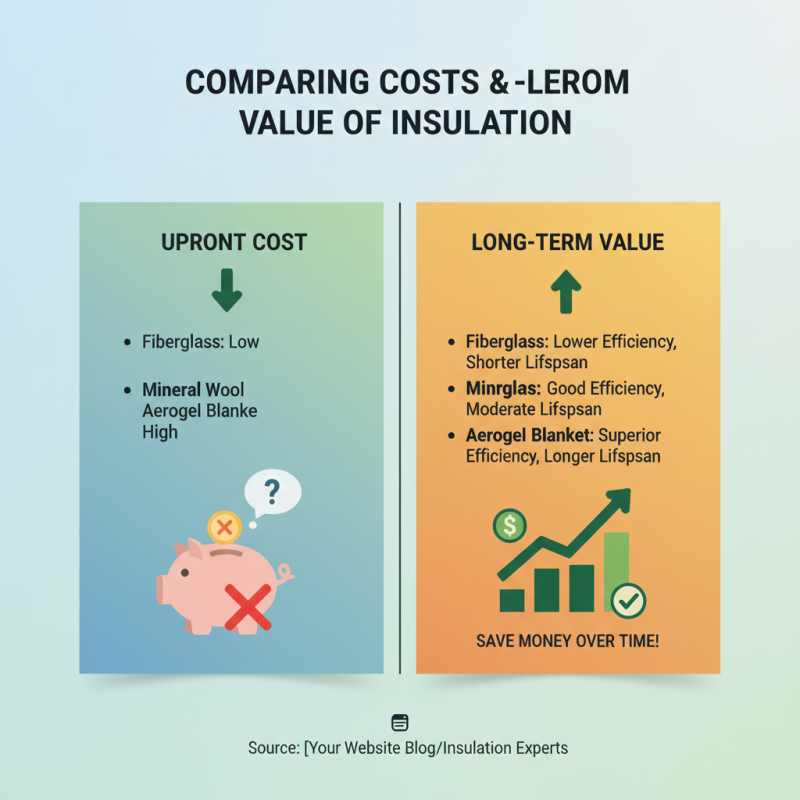
When choosing insulation blankets, cost is a crucial factor. Different materials vary significantly in price. Some may seem cheap upfront but may lead to higher energy bills later. It's essential to evaluate long-term value. For instance, higher-quality options often last longer. They provide better thermal performance, paying off over time.
Consider the installation costs too. Some insulation materials are easier to install, potentially saving you money on labor. Others might require professional help, increasing your initial investment. Think about durability. A blanket that wears out quickly can be a poor choice in the long run. Quality insulation should resist wear and maintain effectiveness over time.
Reflect on your specific needs. For example, if you live in an area with extreme weather, opt for high-performance insulation. Weigh performances against costs carefully. Try to learn from past choices, even if they weren't ideal. The goal is to choose wisely, ensuring comfort without breaking the bank.
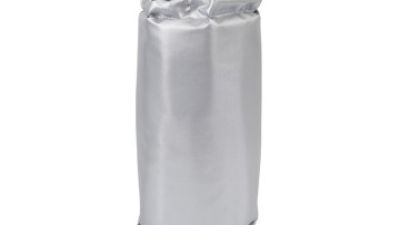
Removable insulation blankets are an innovative solution for enhancing energy efficiency in both homes and businesses. By effectively minimizing heat loss and gain, these blankets create a comfortable environment while significantly reducing energy consumption. With a temperature range of -70°C to 1000°C, they are versatile enough for various applications, making them an ideal choice for energy-conscious individuals and organizations.
One of the key benefits of removable insulation blankets is their impressive thermal conductivity of less than 0.035 W/(m·K) at normal temperatures. This means that they provide excellent thermal resistance, ensuring that heat stays in during the winter months and remains out during the summer, thus optimizing energy costs. Additionally, the blankets are designed with a thickness of 35mm to 50mm, providing substantial insulation without occupying excessive space. Their flame retardant properties categorized as A grade non-flammable make them a safe choice, while their anti-corrosion features ensure longevity with resistance to acids, alkalis, water, and oil. With a lifespan of over ten years, these blankets not only offer energy savings but also represent a long-term investment in sustainability.
: Consider factors like temperature range, moisture exposure, and the specific application’s needs. Each situation is unique.
Proper insulation can potentially reduce energy costs by up to 30%. This can lead to significant savings over time.
Moisture can degrade insulation efficiency. About 30% of failures stem from water damage, making moisture resistance vital.
Durable insulation blankets perform better in harsh conditions. Insulation materials with high tensile strength often last longer.
While guidelines are helpful, users must evaluate their specific needs. Many overlook important factors, leading to poor choices.
Misaligned blankets can lead to increased heat loss, reducing their effectiveness. Proper installation is crucial for optimal performance.
Many prioritize cost over quality, which can lead to higher expenses from replacements or increased energy bills in the long run.
Some insulation products require specific handling. Ignoring this can hinder their effectiveness and lead to inefficiencies.
Reflect on all factors, including moisture resistance and durability. This careful consideration can enhance overall insulation performance.
Yes, improper insulation can cause efficiency losses exceeding 20%. It's essential to choose the right materials and install them properly.
Flexible insulation blankets are essential for improving thermal efficiency in various applications, offering significant benefits like energy savings and increased comfort. To select the best option, it's important to identify specific insulation needs based on the environment and requirements of the project. A thorough understanding of the materials used in these blankets is crucial, as they impact performance, including moisture resistance and durability.
Evaluating the R-values and thermal performance helps in making informed choices, ensuring effective insulation. Additionally, proper installation techniques can enhance the effectiveness of insulation blankets, contributing to long-term value. By comparing costs and the overall advantages of different flexible insulation options, one can find the ideal solution for their insulation needs, ultimately leading to better energy efficiency and comfort in their living or working spaces.